

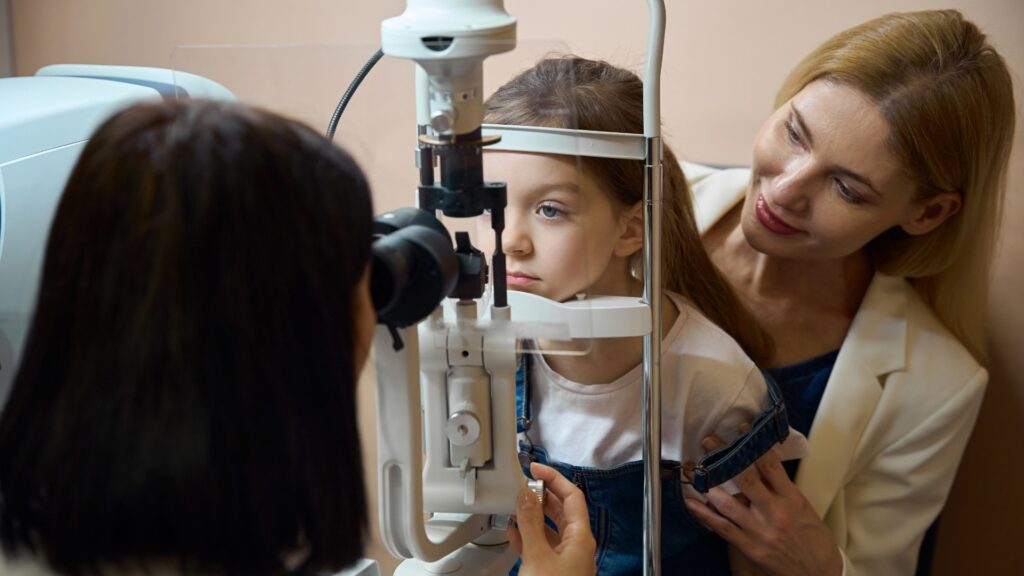
As parents, we pay close attention to our children’s growth and development, but vision problems aren’t always easy to spot. Many children don’t realize they’re seeing differently because they assume everyone sees the world the same way they do. Since clear vision plays a vital role in learning, development, sports, and everyday activities, recognizing the signs of a vision problem early can make a significant difference.
If you’ve noticed your child struggling with certain activities or complaining about their eyes, it may be time to schedule a comprehensive eye exam. Here are some common signs to watch for.
Frequent Squinting
Does your child squint when watching TV, reading, or looking at distant objects? Squinting temporarily changes the way light enters the eye, making blurry objects appear a little clearer. While it may seem harmless, frequent squinting can be an early sign of nearsightedness, farsightedness, or astigmatism.
If your child has been diagnosed with myopia, ask us about our myopia management options designed to help slow its progression.
Sitting Too Close to Screens or Holding Books Very Close
Children naturally like to get close to what interests them, but consistently sitting inches away from the television or holding books and tablets very close to their face could indicate difficulty seeing clearly from a distance.
A comprehensive eye exam can determine whether your child needs vision correction or if another eye condition is affecting their eyesight.
Frequent Headaches
Recurring headaches—especially after school, reading, or using digital devices—may be related to eye strain or an uncorrected vision problem. When children work harder to focus, their eye muscles become fatigued, which can contribute to headaches.
If headaches are becoming more common, an eye exam can help determine whether vision is part of the cause.
Rubbing Their Eyes Often
Occasional eye rubbing is completely normal, especially when children are tired. However, frequent rubbing throughout the day may indicate eye fatigue, allergies, dry eyes, or vision issues that require attention.
Persistent eye rubbing should always be discussed with your eye care provider.
Covering One Eye or Tilting Their Head
If your child consistently covers one eye while reading or tilts their head to see better, it could be a sign that the eyes aren’t working together properly. These behaviors may indicate binocular vision problems, eye muscle issues, or differences in vision between the two eyes.
Early diagnosis is especially important because children’s visual systems are still developing.
Losing Their Place While Reading
Does your child skip lines, use their fingers to keep their place, or avoid reading altogether? While learning differences can certainly play a role, some children experience vision problems that make reading more difficult or tiring.
An eye exam can evaluate how well the eyes focus and work together during reading tasks.

Complaints of Blurry or Double Vision
Older children may be able to tell you when things look blurry or when they occasionally see double. Younger children, however, might simply avoid activities that require clear vision or become frustrated during schoolwork.
Any complaints of blurry or double vision should be evaluated promptly by an eye care professional.
Falling Behind in School
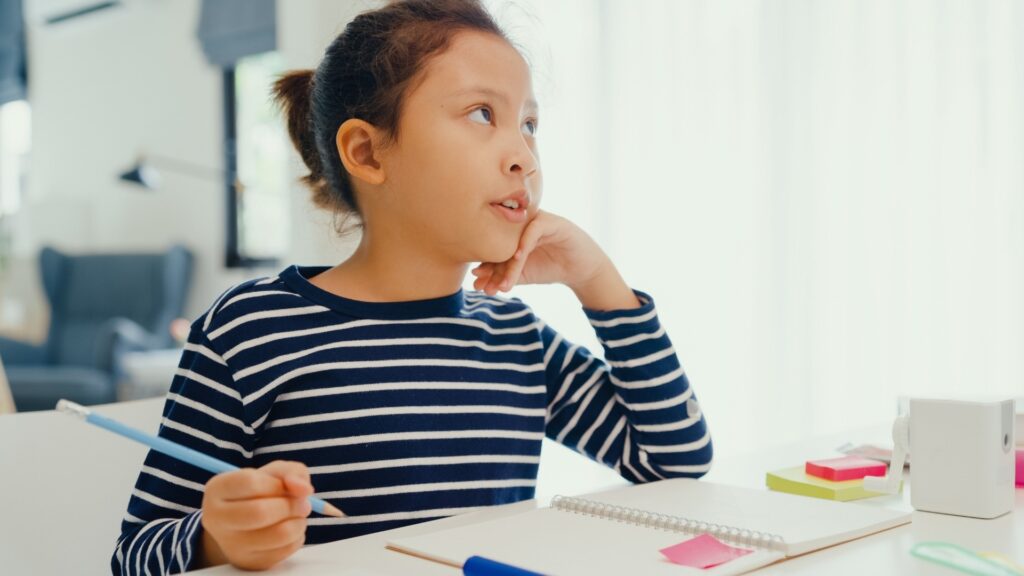
Vision problems don’t always show up as complaints about eyesight. Sometimes they appear as difficulty concentrating, reduced confidence in the classroom, or declining grades. Since approximately 80% of classroom learning is visual, healthy vision is essential for academic success.
Regular eye exams can help ensure your child’s eyes aren’t making learning more difficult than it needs to be.
Don’t Wait for Symptoms
Not every child with a vision problem will show obvious signs. That’s why routine comprehensive eye exams are so important—even if your child hasn’t complained about their eyesight. Early detection allows many vision issues to be treated before they begin affecting learning, development, or daily life.
If you’ve noticed any of these signs, or if it’s simply been a while since your child’s last eye exam, we’re here to help. Schedule a comprehensive children’s eye exam with our team and give your child the clear vision they need to thrive at school, at home, and at play.